


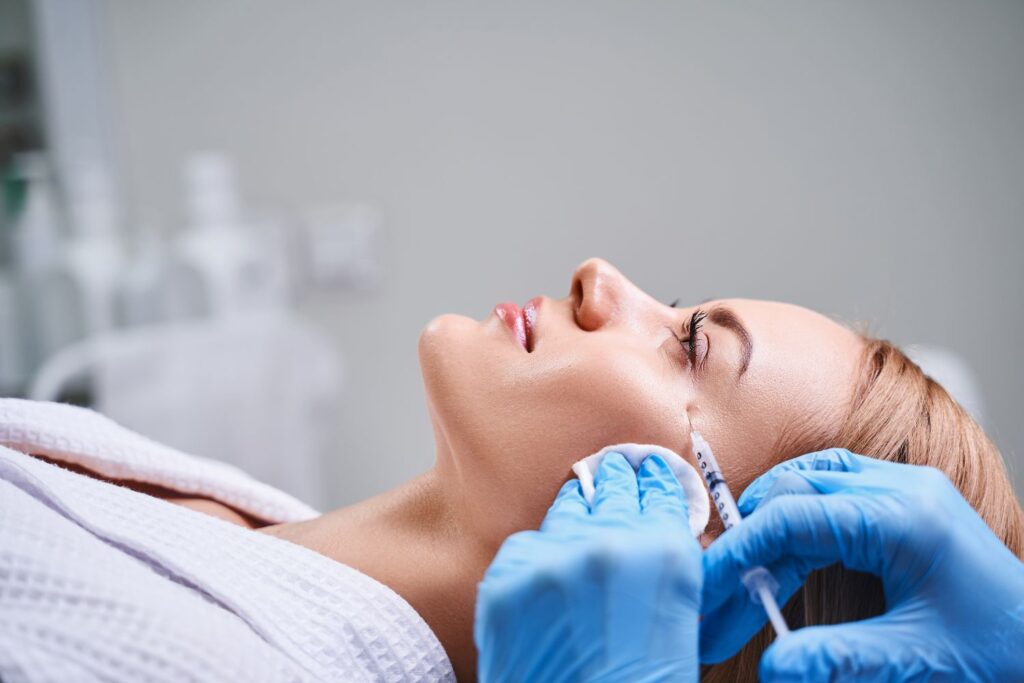
Attaining Botox certification in Northern Virginia can be a valuable professional development step for eligible licensed medical professionals interested in aesthetic medicine. As interest in nonsurgical cosmetic treatments continues, healthcare professionals in Virginia, Washington, DC, and the broader DMV region may be looking for educational programs that help them develop their knowledge of injectable treatments and patient safety.
Whether you are a physician, physician assistant, nurse practitioner, or registered nurse, understanding the available Botox training options, applicable licensing requirements, and importance of supervised clinical education is essential before entering the field of medical aesthetics.
Choosing accredited botox certification can help eligible medical professionals explore structured educational opportunities in facial anatomy, neurotoxin pharmacology, injection principles, patient assessment, and complication management.
This guide explains what to look for in Botox certification programs in Northern Virginia, how training formats compare, what professionals should know about Virginia and Washington, DC, regulations, and how to prepare for aesthetic practice.
Why Choose Northern Virginia for Botox Training?
Northern Virginia is part of the greater Washington metropolitan area and includes communities such as Alexandria, Arlington, Fairfax, and Loudoun County. Its proximity to Washington, DC, makes the region relevant to medical professionals exploring aesthetic education throughout the DMV.
For healthcare professionals considering Botox certification in Northern Virginia, several factors may make the region an appealing place to investigate training opportunities.
1. Access to a Diverse Patient Population
Northern Virginia includes a broad range of communities and healthcare settings. Medical professionals interested in aesthetic medicine can explore how cosmetic treatments fit into different clinical environments and patient needs.
2. Opportunities for Professional Development
Additional education in aesthetic medicine may help eligible healthcare professionals explore career opportunities in medical spas, dermatology practices, plastic surgery clinics, and other appropriate healthcare settings.
Actual employment opportunities depend on professional qualifications, experience, employer requirements, and applicable regulations.
3. Flexible Training Options
Training programs may offer in-person workshops, online theory, or hybrid formats. Comparing these options can help professionals choose an educational approach that fits their schedules while providing the appropriate level of clinical instruction.
4. Convenient Access Across the DMV
Professionals living in Alexandria, Arlington, Fairfax, Loudoun County, and nearby communities may also consider training opportunities elsewhere in the Washington metropolitan area.
Before enrolling, confirm the provider’s actual training location, whether travel is required, and whether supervised clinical practice is available in person.
For professionals comparing locations, exploring regional hands-on clinical locations can help identify available educational opportunities and determine which locations best fit their needs.
Important: Verify that the provider actually offers the course or clinical training at the location advertised. A service-area page does not necessarily mean that hands-on training is available in every listed community.
What Is Botox Certification?
Botox certification generally refers to completion of an educational program covering the principles and practices associated with botulinum toxin treatments.
Depending on the program, training may include facial anatomy, product knowledge, patient assessment, injection principles, treatment planning, informed consent, and complication recognition.
However, it is important to distinguish between three separate concepts:
- Course completion: Confirmation that a participant has completed a particular educational program.
- Clinical competence: The knowledge and practical skills needed to perform appropriate clinical tasks safely.
- Legal authorization to practice: Permission to perform specific procedures under the laws and professional requirements applicable to the individual’s license and jurisdiction.
A Botox training certificate does not automatically grant a professional license, prescribing authority, or permission to practice independently.
Before enrolling, review the program’s curriculum, eligibility requirements, practical training components, instructor qualifications, and the exact credential awarded upon completion.
Who Can Get Botox Certified in Virginia and Washington, DC?
Eligibility for Botox training and legal authorization to administer injections are not the same. A training provider may accept particular healthcare professionals into an educational course, but each participant must independently meet the legal requirements applicable to their profession.
Depending on the program and jurisdiction, potential participants may include:
- Physicians (MDs and DOs)
- Physician assistants (PAs)
- Nurse practitioners (NPs)
- Registered nurses (RNs)
Other professional categories may have different requirements and should be assessed individually.
Before registering, confirm the course’s admission criteria and whether your professional license permits you to perform the intended procedures in the jurisdiction where you plan to practice.
Virginia Botox Regulations: What Medical Professionals Should Know
Botox is a prescription medication, and its administration involves professional responsibilities relating to patient assessment, prescribing or ordering, clinical supervision, documentation, and patient safety.
In Virginia, the requirements applicable to aesthetic injections depend on the practitioner’s license, authorized scope of practice, prescribing authority, and the specific clinical arrangement.
Physicians
Physicians must practice within their professional obligations and applicable medical regulations. They should also ensure that appropriate patient assessment, treatment planning, informed consent, and clinical documentation are in place.
Physician Assistants
Physician assistants must comply with the Virginia laws and regulatory requirements governing their practice, including applicable prescribing and practice-arrangement requirements.
Nurse Practitioners
Nurse practitioners must verify the requirements applicable to their license, practice authority, and prescriptive authority before providing aesthetic treatments.
Registered Nurses
Registered nurses must ensure that any injection procedure they perform is permitted by their scope of practice and supported by the required orders, delegation, medical direction, or other applicable arrangements.
Completing a Botox training course does not independently authorize an RN to prescribe Botox or perform procedures outside the nurse’s legal scope of practice.
Where to Verify Virginia Requirements
Consult the Virginia Department of Health Professions and the relevant professional licensing board for current requirements.
Before beginning practice, verify any applicable requirements concerning:
- Professional licensure and scope of practice
- Prescribing or ordering of prescription products
- Delegation and clinical supervision
- Patient assessment and medical oversight
- Informed consent and medical records
- Emergency procedures and complication management
The precise requirements can differ by profession and clinical setting. Obtain appropriate regulatory or legal guidance when a requirement is unclear.
Washington, DC Botox Requirements
Medical professionals planning to administer Botox in Washington, DC, should independently verify the rules governing their professional category and intended clinical activities.
Relevant authorities include the DC Board of Nursing and the DC Board of Medicine.
Depending on the practitioner’s role, applicable requirements may address licensure, prescribing authority, delegation, supervision, patient assessment, and documentation.
Healthcare professionals should not assume that authorization to perform a procedure in Virginia automatically extends to Washington, DC. Requirements must be checked for the jurisdiction where treatment will take place.
Before practicing, verify:
- Whether your professional license is valid for the intended activities.
- Whether any required prescribing, ordering, or supervisory arrangements are in place.
- Whether the clinical setting meets applicable requirements.
- Whether your training and experience are appropriate for the procedures you intend to perform.
Remember: Botox certification is an educational credential. Your professional license and the laws governing your practice determine whether and under what conditions you may administer injections.
For additional background, read our guide to state certification requirements to inject botox.
What to Expect From Hands-On Botox Certification Courses
Botox certification courses vary in their content, duration, teaching methods, and opportunities for supervised clinical practice.
When comparing Botox training in Northern Virginia, look beyond the course title. A useful program should provide a clear curriculum, qualified instruction, patient-safety education, and a transparent explanation of the practical experience included.
1. Facial Anatomy
Understanding facial anatomy is fundamental to aesthetic treatment planning. Training should explain relevant facial muscles, nerves, blood vessels, anatomical variation, and areas requiring particular caution.
Participants should understand how facial anatomy relates to treatment assessment and the prevention of avoidable complications.
2. Neurotoxin Pharmacology
A course should explain how botulinum toxin products work and cover relevant differences between products such as Botox, Dysport, and Xeomin.
Instruction should also address product-specific indications, contraindications, safety information, handling, and storage in accordance with applicable product labeling.
3. Injection Principles
Training may cover the principles of assessing and treating common areas, including:
- Glabellar lines, commonly called frown lines
- Forehead lines
- Crow’s feet around the eyes
Treatment decisions should account for individual anatomy, medical history, patient goals, product-specific guidance, and the practitioner’s legal scope of practice.
4. Dosing and Product Preparation
Participants should learn the principles of product preparation, dilution, unit calculations, storage, and handling according to manufacturer instructions and applicable clinical protocols.
Training should emphasize accuracy and patient safety rather than relying on a single approach for every patient.
5. Patient Assessment and Consultation
Patient assessment is an essential component of safe aesthetic practice. Relevant educational topics include:
- Reviewing medical history and medications
- Understanding the patient’s treatment goals
- Identifying contraindications and potential risks
- Discussing realistic outcomes and limitations
- Obtaining informed consent
- Determining when a patient requires further evaluation
6. Complication Recognition and Management
A quality educational program should address the recognition of adverse events, appropriate initial responses, escalation procedures, and circumstances requiring urgent medical assessment.
Participants should understand when a complication falls outside their competence and when additional clinical support is necessary.
7. Consent and Documentation
Training should cover appropriate patient records, informed consent, treatment documentation, and photography practices that respect patient privacy.
Accurate documentation supports continuity of care and helps practitioners maintain professional standards.
Why Live-Model Botox Training Matters
Hands-on training can help eligible healthcare professionals connect theoretical knowledge with practical clinical experience.
When supervised live-model practice is offered, participants may have opportunities to observe patient assessment, understand treatment planning, and receive feedback from an appropriately qualified instructor.
Before enrolling, ask the provider:
- Does the course include actual supervised injections on live models?
- How many models does each participant typically treat?
- Does every participant perform injections, or are some sessions demonstrations only?
- What qualifications do the supervising instructors hold?
- How are patient safety, consent, and complications addressed?
- Is additional practice or mentoring available after the course?
A live-model session can offer valuable learning opportunities, but one workshop does not replace continued clinical experience or establish independent competence for every procedure.
Choose a program that clearly explains its practical components and supervision arrangements rather than relying on general claims about hands-on education.
Comparing Botox Training Formats
Different educational formats can meet different learning needs. The most appropriate choice depends on your existing experience, schedule, and need for practical instruction.
| Training format | Best suited for | Practical experience | Key consideration |
| In-person workshop | Professionals seeking direct instruction | May include supervised live-model practice | Verify the number of practical sessions and models |
| Hybrid training | Professionals combining online study with in-person education | Depends on the in-person component | Confirm that the practical portion is included |
| Online-only course | Theory, product knowledge, or refresher education | Usually no live injection practice | Check whether additional clinical training is necessary |
Course lengths vary by provider. Some workshops run for one or two days, while other programs may use different schedules or offer self-paced educational components.
Do not choose a course based on duration alone. Review the learning objectives, practical requirements, instructor qualifications, and completion criteria.
For professionals who need practical instruction, an in-person program with appropriately supervised clinical experience may offer advantages over a theory-only course.
How to Choose the Right Botox Certification Program in Northern Virginia
Choosing a training provider requires careful evaluation. Use the following criteria to compare options.
1. Instructor Qualifications
Review the credentials, clinical experience, and teaching qualifications of the instructors.
Ask who supervises practical sessions and whether the instructors have experience with the procedures covered in the curriculum.
2. Accreditation and Continuing Education
If a provider advertises accreditation or continuing medical education credits, verify the claim with the relevant accrediting or issuing organization.
Do not assume that every certificate represents the same level of training or professional recognition.
3. Practical Training Opportunities
Confirm whether the course includes live-model injections, instructor demonstrations, simulation, or a combination of these formats.
Ask for details about participant involvement and the level of supervision provided.
4. Curriculum and Learning Resources
Look for a curriculum covering anatomy, neurotoxin pharmacology, patient assessment, injection principles, safety, complications, informed consent, and documentation.
Reference materials should be relevant to the procedures taught and consistent with applicable clinical guidance.
5. Class Size and Instructor Access
Smaller groups may allow more opportunities for questions and individualized feedback.
Ask about the student-to-instructor ratio, especially during practical sessions.
6. Post-Course Educational Support
Determine whether the provider offers additional educational resources, mentoring, or follow-up training.
Clarify what is included in the course fee and whether further instruction incurs additional costs.
7. Transparent Course Information
Before paying for a course, request written confirmation of:
- Admission requirements
- Course schedule and actual location
- Curriculum and learning objectives
- Instructor credentials
- Practical training arrangements
- Certificate awarded upon completion
- Fees and cancellation policies
- Available post-course support
These details help you compare programs based on educational value rather than marketing claims alone.
How to Get Botox Certified in the DMV
If you are an eligible healthcare professional considering Botox certification in the DMV region, the following steps can help you plan your training.
Step 1: Verify Your Professional License
Confirm that your license is active and in good standing. Identify any professional requirements relevant to your intended clinical activities.
Step 2: Check Your Scope of Practice
Review the requirements applicable to your profession in Virginia or Washington, DC.
Confirm any relevant prescribing, ordering, supervision, delegation, or practice-arrangement requirements.
Step 3: Compare Educational Programs
Evaluate available courses based on their curriculum, instructor qualifications, safety instruction, practical components, and completion requirements.
Step 4: Complete the Required Training
Attend the educational sessions and complete the assessments or practical requirements specified by the provider.
Keep your course documentation and verify precisely what the resulting certificate represents.
Step 5: Establish Required Clinical Arrangements
Where applicable, confirm that all necessary prescribing, supervisory, delegation, and practice arrangements are in place before treating patients.
Step 6: Prepare for Safe Practice
Ensure that your qualifications and practice arrangements meet the requirements of the jurisdiction where you intend to work.
Maintain appropriate patient assessment, consent, documentation, safety, and follow-up procedures. Continue developing your knowledge through suitable clinical experience and continuing education.
Completing these steps can help eligible professionals approach aesthetic training with a clearer understanding of both educational expectations and legal responsibilities.
Frequently Asked Questions About Botox Certification in Northern Virginia
Eligibility depends on the training provider’s admission criteria. Courses may be designed for physicians, physician assistants, nurse practitioners, registered nurses, or other specified healthcare professionals.
Before enrolling, verify that you meet the course requirements and separately confirm that your professional license permits the intended procedures.
No. Completing a training course does not automatically grant prescribing authority, expand a professional scope of practice, or authorize independent injection practice.
You must comply with the applicable licensing, prescribing, supervision, and practice requirements in the jurisdiction where you intend to work.
The best format depends on your educational goals and prior experience. Online courses can help with theoretical learning, while appropriately supervised in-person training can provide opportunities for practical instruction and feedback.
If you are seeking practical experience, verify that the course includes actual supervised clinical practice rather than demonstrations alone.
The duration varies by provider and course format. Some programs use short in-person workshops, while others offer hybrid or self-paced educational components.
Review the curriculum and completion requirements instead of assuming that all programs take the same amount of time.
Potentially, depending on the course’s admission requirements and availability. However, completing training in Virginia does not automatically authorize you to practice in Washington, DC.
Confirm the course location and separately verify the professional requirements applicable to your intended place of practice.
Review the instructor credentials, curriculum, practical training arrangements, admission criteria, certificate awarded, total cost, and post-course support.
Also verify any accreditation or continuing education claims and make sure you understand the distinction between course completion and legal authorization to administer injections.
Check the AACM™ Botox certification page and areas served for current program details and location information.
Contact AACM™ directly to confirm whether a specific in-person course is available in Northern Virginia, which professionals are eligible to attend, and whether supervised live-model practice is included.
Conclusion: Explore Botox Certification Opportunities in Northern Virginia
Botox certification can be an important educational step for eligible healthcare professionals interested in medical aesthetics. Choosing a suitable program involves more than comparing course duration or receiving a certificate; it requires evaluating clinical education, instructor qualifications, supervised practice, and patient-safety instruction.
Medical professionals in Northern Virginia and the broader DMV region should also understand the licensing and practice requirements that apply to their professional category and intended location of practice.
Before enrolling, compare available programs, confirm the training location, review the practical components, and verify the credentials awarded upon completion.
Ready to explore your options? Contact AACM™ to learn more about its Botox certification programs, training formats, and available clinical education opportunities. Choose a program that aligns with your professional qualifications, learning objectives, and commitment to safe patient care.