


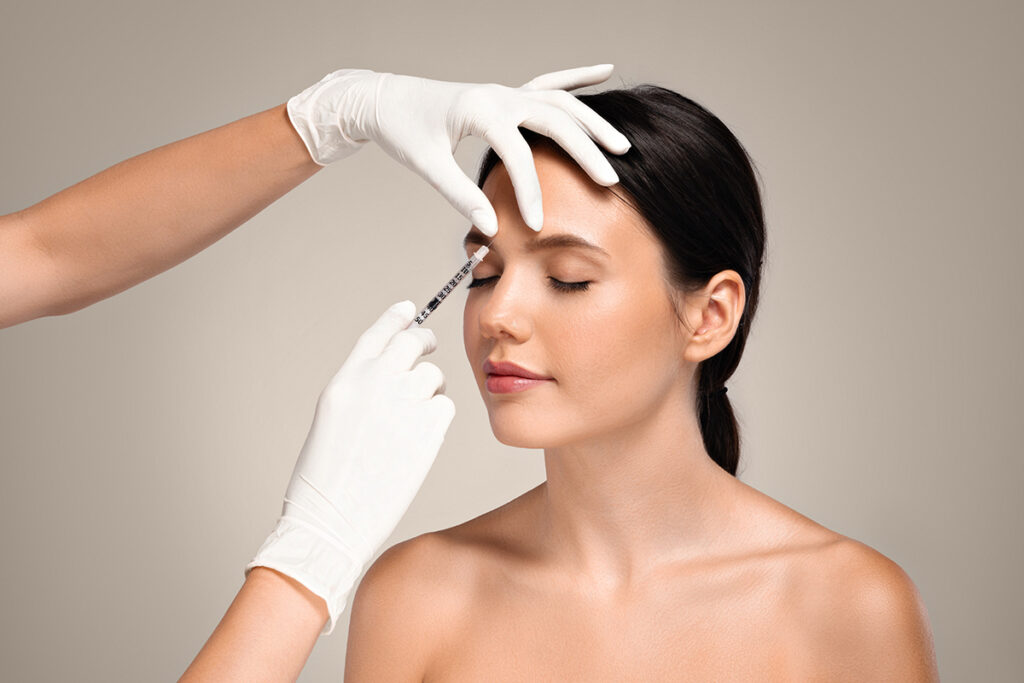
You’ve completed your training and passed the exam. You now have a certification that will open doors most people have never even heard of. So, what to do after Botox certification?
Getting certified as a cosmetic injector is really just the starting line. The real question is: what are the Botox certification career opportunities? Are you a nurse looking to leave the hospital? A PA looking for more freedom? There’s a place for you in the aesthetics field. Let’s understand cosmetic injector career paths after completing the Botox training.
Career Paths After Botox Certification
Working in a Medical Spa
Med spas are the most common place to practice after completing the advanced cosmetic injector training. They blend medical treatment with the spa experience. You’re going in for Botox, fillers, facials, and other skin treatments with a single certification. As a new injector, a med spa gives you a very steady patient flow. You see lots of faces in a day, so you learn your skills quickly. You’re also working with other providers, so you always have someone to learn from.
Pay in med spas is typically a base rate plus commission. The more treatments you do, the more you make. For a new practitioner, it’s a great way to get started because it rewards your effort and helps you build a client list quickly.
Joining an Aesthetic Clinic
Aesthetic clinics are generally focused on injectables and more advanced cosmetic procedures. The clients you deal with generally already know what they want. You spend less time in the ‘teaching’ phase, so you can get on and do the work.
Working in a dedicated clinic can also hone your technical ability. You’ll be looking after more complex cases (lip flips, platysmal bands, etc.). Over time, you become a more confident, better injector.
Many clinics will also provide mentorship. As part of your training with The American Academy of Cosmetic Medicine® you have lifetime access to guidance that will help you to continue to develop and improve long after your course has finished. That kind of support is invaluable when you’re dealing with the more challenging cases.
Pursuing Advanced Injector Training
For some injectors, the aim is independence. Running your own practice means you set your own hours, choose your treatments, and build your brand your way.
Physician assistants have the edge here. In every state, they’re allowed to inject without a physician having to be present. That freedom enables them to open and run their own aesthetic practice from the ground up.
Nurses and nurse practitioners can also go into private practice (though some states require physician oversight). Know the rules in your state before you start. Once the legalities are sorted, private practice can be a very satisfying long-term career.
Starting your own space requires planning. You’ve got to consider location, equipment, marketing, and your first clients. Many injectors find the return on the investment is well worth it. You keep what you earn, and you’re answerable to no one but your patients.
How to Get Your First Cosmetic Injector Job
Not everyone wants to go in full time. Part-time injecting is a great way to get your feet under you whilst still keeping your current job. There are loads of nurses and medical professionals who do injecting on the side. They keep their hospital/clinic job and then do a few shifts at a med spa each week. That builds income and experience without forcing you to make the leap all at once.
Part-time work is also ideal for people with family commitments or other objectives. You can control how much you do. As you become more confident, you can of course scale up and move into a full-time role when you’re ready.
Skills New Cosmetic Injectors Need to Develop
Once you’ve got a good base, you can then move into the areas that differentiate you. Migraine treatment with neuromodulators, hyperhidrosis (excessive sweating), and plasma-based treatments such as PRP and PRF come to mind. Those are the areas that you generally get into through further training. The full range of AACM™ courses is comprehensive and online, covering plasma harvesting, centrifuging, injecting, and more advanced filler areas such as the temples and under-eyes.
Specializing does two things. It increases your value as an injector and attracts clients looking for a specific result. If you offer a service most injectors don’t, you’ll stand out in a very competitive market.
Teaching and Mentoring Others
Once you’ve got some real experience, you may well find yourself in a position where you enjoy passing it on. A lot of the more experienced injectors will go into teaching. They’ll train the next generation of providers and, in doing so, will have real influence on how the business develops.
Dr Javad Sajan built his reputation that way, educating a whole host of injectors in his own practice before establishing a full training program. That’s the route you can take too. Once you have the FAACM®™ qualification and have several years of practical experience under your belt, teaching becomes the very natural next step.
Build Your Cosmetic Injector Career With Confidence
Your Botox certification can lead to part-time work, a role in a med spa, or your own aesthetic practice. Start where you are, gain experience, and grow at a pace that works for you. Train with The American Academy of Cosmetic Medicine® to receive hands-on education, recognized CME credits, and ongoing support for your next career move.
Ready to secure Botox certification career opportunities? Choose the right AACM™ training program and enroll today.
FAQs
Can I inject Botox in any state after certification?
Rules vary by state. Physician assistants can inject independently everywhere, while nurses may need physician oversight in some areas.
How long does it take to start working after Botox certification?
Many injectors start part-time or in a med spa and work within weeks of completing training and passing their exam.
Do I need experience before opening my own practice?
Yes, building hands-on experience first helps. Most injectors get jobs after Botox training and work in a med spa or clinic before going independent.
Can nurses earn a good income as cosmetic injectors?
Yes, injectors often earn well through base pay plus commission, especially as they build a loyal client base after completing advanced cosmetic injector training.
Is part-time injecting worth it while keeping another job?
Yes! Part-time work builds income and skills without forcing you to leave your current role.
What is a common career mistake new injectors should avoid?
Rushing into private practice too soon. Build real experience first, then go independent with confidence and steady clients.
What makes training with The American Academy of Cosmetic Medicine® different?
AACM™ offers hands-on training, recognized CME credits, lifelong mentorship, and the respected FAACM®™ credential to grow your career.