


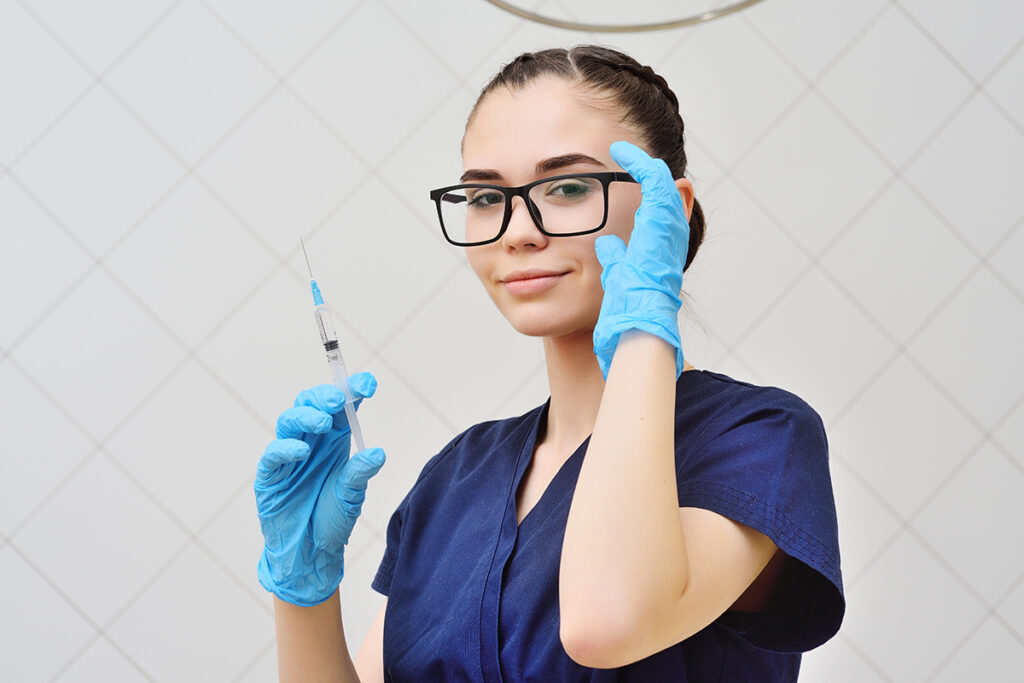
Are you a Boston-based nurse or medical provider looking to enter aesthetics but unsure where to start? Certification in neuromodulators, fillers, and skin treatments can be confusing; understanding state rules, training options, and scope of practice is crucial before treating patients. In this blog, we will discuss the relevance of aesthetic nurse training in Boston and the state regulations that will govern your practice. You’ll also learn how to choose the best training to provide quality patient care.
Why Boston Providers Are Moving Into Aesthetics
As demand rises, patients seek natural results from trusted providers, making aesthetics appealing for nurses and doctors who want a calmer setting, better hours, and an outlet for their clinical and artistic skills. However, a medical license alone doesn’t make you a good injector. You need a solid understanding of facial anatomy, the right products, and how to use them. Without proper aesthetic medical training in Boston, you risk poor results and complications for your patients. The answer is structured education that teaches both the science and the skill.
What Massachusetts Regulations Say About Injectors
Before you enroll in any program, you need to know who can legally inject in Massachusetts. The rules vary by license type.
- Registered Nurses (RNs) can administer neuromodulators and fillers under physician delegation and supervision. A qualified doctor has to set the treatment plan.
- Nurse Practitioners (NPs) have a broader scope of authority and can often assess patients and manage their care within their scope.
- Physician Assistants (PAs) work under a supervising physician and can administer injections under practice agreements.
- Physicians and Dentists have the widest scope and can both perform and supervise aesthetic procedures.
The MA Board of Registration in Nursing sets the standard for nurses’ scope of practice. You can view the current guidance on the MA Board of Registration in Nursing website. Rules can change, so always confirm your scope before treating patients.
To see how other states in the region stack up, review the Northeast regional nursing regulations for additional context.
Why General Nursing Skills Are Not Enough
A hospital RN may draw blood and give injections daily yet still lack the training to safely place a filler in the cheek or treat the glabella. Aesthetic injection is a different skill altogether.
Common gaps include:
- Very limited knowledge of facial anatomy and danger areas.
- No experience diluting and reconstituting products.
- Very little practice in actually reading a face for symmetry and proportion.
- No framework for the management of side effects or complications.
These are precisely the gaps that a quality certification course would address.
What Strong Aesthetic Training in Boston Should Cover
Good aesthetic training in Boston isn’t just about lectures. It’s about having supervised, hands-on experience on live models. When you’re comparing programs, look for one that teaches the following.
Core clinical content:
- Facial anatomy with respect to neuromodulators and fillers.
- The aging process and how injectables can deal with it.
- Differences between neuromodulator products and filler types.
- Proper injection sites, marking, and technique.
- Patient assessment and candidate selection.
- Side effect management and complication response.
Hands-on experience:
- Live injection practice on actual treatment areas.
- Guidance from doctors who still inject.
- A low student to tutor ratio to ensure plenty of individual feedback.
The American Academy of Cosmetic Medicine® offers both a beginner course and a more comprehensive course based on this model. Both include hands-on training and the opportunity to earn CME credits accredited by the AMA, ACCME, ACPE, ANCC and ADA.
Course Options for Different Providers
Not every provider starts from the same point. The table below compares two of the more common approaches.
| Feature | Beginner Course | Comprehensive Course |
| Length | 10 hours | 20 hours |
| Best for | New injectors | Providers with some experience |
| Neuromodulator areas | Forehead, glabella, crow’s feet | Advanced areas including masseters and platysmal bands |
| Filler areas | Lips, cheeks | Nasolabial folds, temples, under eyes |
| Advanced topics | Fundamentals | Off-label techniques, complication management, business skills |
| CME eligibility | Yes | Yes |
Nurses who want to understand the wider career picture can read about the nurse injector career upgrade and how it changes the regular schedule. Doctors and dentists looking to grow their practice should consider the physician aesthetic medicine certification pathway, which covers both the cosmetic and medical applications of injectables.
Beyond Injectables: Skin and Regenerative Treatments
Many Boston patients also ask about skin rejuvenation, where microneedling and plasma treatments come in. Microneedling creates controlled micro-channels in the skin to boost collagen, and when paired with platelet-rich plasma, it can further improve results. Nurses seeking microneedling certification in Boston should choose a course that includes hands-on training in harvesting, centrifuging, and injecting plasma.
The clinical PRP and microneedling certification course teaches these skills in a structured, supervised setting.
How to Choose the Right Program
With several options available, use a simple checklist.
- Accreditation: Confirm the program offers recognized CME credits.
- Hands-on time: Ask how many live injection areas you will practice.
- Instructor access: Look for ongoing support after the course ends.
- Faculty experience: Choose instructors who still inject patients today.
- Certification value: Check whether you earn a credential that patients recognize.
If you are still mapping out your options, this blog can help you locate local aesthetic training courses that fit your schedule and goals.
Your Next Step Toward an Aesthetic Career
Moving into aesthetics is one of the smartest career choices a Boston nurse or medical provider can make, but it only works when you build on real training and a clear understanding of Massachusetts rules. The right course gives you the anatomy knowledge, hands-on practice, and ongoing mentorship you need to treat patients safely and confidently. If you are ready to build your skills and open new doors, explore the American Academy of Cosmetic Medicine®’s beginner, comprehensive, and online certification courses and take the first step toward becoming a certified injector today.
Frequently Asked Questions
Can an RN inject Botox in Massachusetts?
Yes. Registered Nurses can administer neuromodulators and fillers under physician delegation and supervision. A qualified medical professional must set the treatment plan, including dose and areas.
How long does aesthetic nurse training in Boston take?
It depends on the course. A beginner program runs about 10 hours, while a comprehensive course runs about 20 hours. Online options let you study on your own schedule.
Do I need prior injection experience to start?
No. Beginner courses are designed for providers who are new to aesthetics. If you already have experience, a comprehensive course may suit you better.
Is microneedling certification separate from injectable training?
Yes. Microneedling and plasma treatments are taught in a dedicated clinical PRP and PRF course that covers harvesting, centrifuging, and injection techniques.
Will I earn CME credits?
Yes. Eligible courses offer CME credits recognized by the AMA, ACCME, ACPE, ANCC, and ADA.