


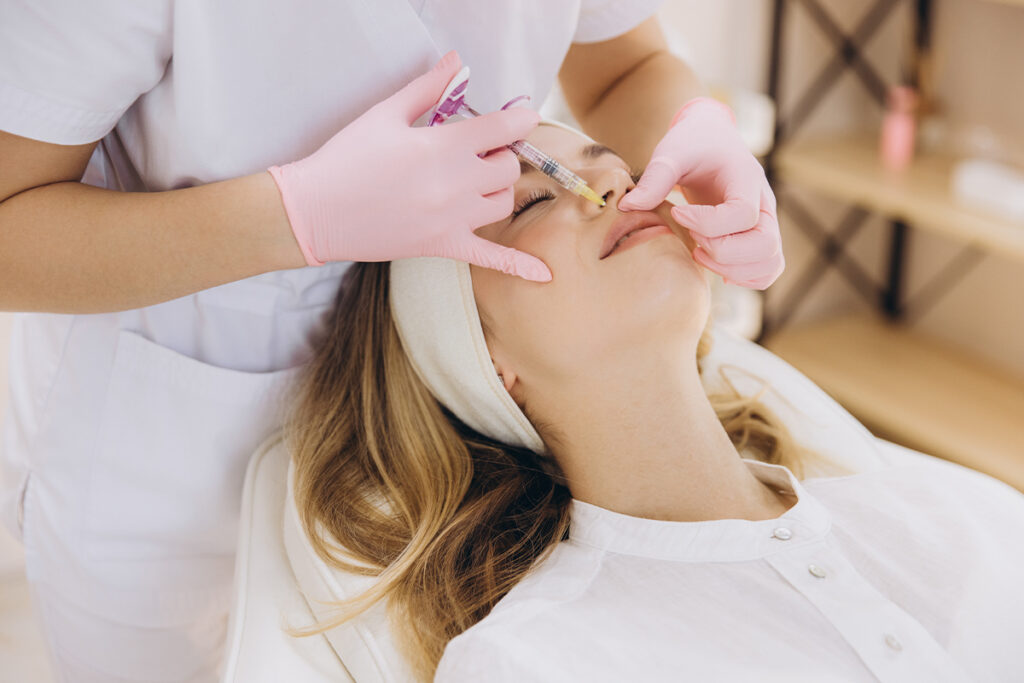
Medical aesthetics gives nurses, physician assistants, and physicians greater autonomy, a higher earning capacity, and a better work-life balance. To move from traditional clinical roles to a career in aesthetic medicine, you need to make a focused investment.
If you’re considering this change, you might be wondering: what will it actually cost to become a cosmetic injector in 2026?
On average, medical professionals spend between $2,500 and $12,000 on education, practical training, and obtaining their credentials; the total starting costs vary from $4,000 to more than $18,000 depending on their licensing status, the requirements regarding the medical director, and the cost of malpractice insurance.
The following is a detailed breakdown of cosmetic injector training cost, training variables, and other expenses to consider when choosing your training route.
Prerequisites: Who can administer the injections, and what credentials do you need?
You must have an active, unrestricted medical license before you calculate your educational fees; although regulations differ from state to state and province to province, aesthetic injectors usually hold one of the following licenses.
- Registered Nurse (RN)
- Nurse Practitioner (NP)
- Physician Assistant (PA)
- Medical Doctor (MD) or Doctor of Osteopathic Medicine (DO)
- Doctor of Dental Surgery (DDS) or Doctor of Dental Medicine (DMD)
Once you hold an active clinical license, you will have fulfilled the educational requirements. However, if your license is inactive or expired, renewal will be your first cost, usually ranging from $100 to $500, depending on the state licensing board.
- Breaking Down the Cosmetic Injector Training Cost
The clinical instruction plays a major role in the cost evaluation of cosmetic injector training. Although online webinars are offered, safe, effective practice depends on thorough classroom learning and supervised hands-on experience.
Here is what you should expect to pay across different stages of injection education: $1,800 – $4,500
Introductory courses cover facial anatomy, dynamic and static wrinkles, standard injection areas (such as the glabella, forehead, and crow’s feet), and basic techniques for filling lip or nasolabial folds.
A good introductory course includes a detailed review of facial anatomy together with live patient injections in small groups. Use caution with courses priced under $1,500, as they may omit live models or limit the time allowed for injections.
2. Advanced Injection Techniques and Complication Mastery
Estimated Cost: $2,000 – $5,000
After mastering basic placement, advanced training is essential to remain competitive. These courses cover:
- Cheek, chin, and jawline contouring
- Under-eye tear trough correction
- Cannula vs. needle techniques
- Emergency management, including vascular occlusion protocols and the use of hyaluronidase
The management of complications is a fundamental duty of a clinician, and it safeguards both your patients and your license.
3. One-on-One Mentorship and Private Preceptorships
Estimated Cost: $1,500 – $3,500 per day
After obtaining their core certifications, many practitioners pursue private shadowing sessions. Spending one or two days with an experienced injector improves technique, refines aesthetic judgment, and boosts confidence before they practice independently.
What determines the cost of the Aesthetic Injector course?
Live Models vs. Mannequins
Silicone practice heads do not match real tissue in resistance, anatomy, or vascular differences, and the most prominent training programs offer live patient models along with the necessary products, which is reflected in the tuition charged.
Student-to-Instructor Ratio
Large lecture halls with many students do not support the development of clinical competence, and premium academies keep the student-to-hands-on-training ratio at 2:1 or 4:1 to ensure direct instructor supervision. Accreditation
Reputable training institutions offer accredited Continuing Medical Education (CME) or Continuing Education (CE) credits, and accreditation ensures the curriculum meets rigorous medical education standards.
Inclusions vs. Add-On Fees
Although some providers promote low tuition rates, they also charge extra for products, model fees, or course materials. Make sure you ask for a full breakdown of what is included in your enrollment fee.
Estimated figures often combine different fees, making it hard to compare prices. The following gives a realistic breakdown of the costs according to training route:
- Beginner Course $2,600
- Self-paced or hybrid basic certification course
- Minimal live model experience
The decision is to choose the lower initial cost, even though it may leave graduates without the confidence they need to secure positions in competitive medspas.
- Comprehensive Course: $5,000
- Accredited basic and advanced neurotoxin and filler training
- Extensive hands-on injection practice with live models
- Comprehensive vascular complication and ultrasound safety modules
- Initial emergency supply kit
The decision involves a higher initial cost, but it lets you safely evaluate, document, administer, and manage complications from the start. Although the costs may seem overwhelming, the financial payoff in aesthetic medicine is still very good.
Aesthetic injectors who work full time can earn between $85,000 and $160,000 or even more each year, with high-volume practitioners and owners of independent clinics earning considerably higher amounts through bonuses, commissions, and treatment fees.
What aesthetic injector course cost actually include?
The gross revenue from a single dose of neurotoxin treatment is about $300 to $600.
A single syringe of dermal filler costs between $650 and $900.
Medical professionals choose the American Academy of Cosmetic Medicine® (AACM™), and if you see 10 to 15 patients each week, the upfront aesthetic injector course cost will be recovered within two to three months of practice.
The selection of training institution should be backed by clinical safety, artistic precision, and clear career outcomes.
The American Academy of Cosmetic Medicine® (AACM™) establishes the national standard for medical aesthetic training, and its courses are aimed at licensed medical professionals with a focus on:
Small-group clinical sessions: direct mentoring provided by experienced aesthetic physicians and master injectors.
We offer live models so you can work directly with patients with a wide variety of facial shapes, skin tones, and clinical conditions.
With transparent tuition, AACM™ provides full educational packages so you won’t have to worry about unexpected charges for practice materials. Post-graduate students also have access to business resources, charting templates, complication protocols, and alumni networks to support their careers after training.
Conclusion
Planning the cost of becoming a cosmetic injector in 2026 varies from $2,500 for basic training to more than $12,000 for a full hands-on certification. If you’re planning your budget, consider access to live models, training in safety and potential complications, insurance, and medical supervision. By choosing the right training partner, you can build a satisfying, flexible medical career. Are you ready now to move into facial aesthetics with confidence and clinical excellence? Find a course and locate your programme at The American Academy of Cosmetic Medicine® (AACM™) today. Contact an admissions advisor to review the curriculum schedule and discuss training opportunities.
Frequently Asked Questions
Q1. How much does it cost to become a cosmetic injector in 2026?
The total cost typically ranges from $3,500 to $14,000, including training, insurance, and essential startup supplies.
Q2. What does a beginner cosmetic injector training course typically cost?
Beginner neurotoxin and dermal filler certification courses generally cost between $1,800 and $4,500 in 2026.
Q3. Do I need a medical license to enroll in an aesthetic injector course?
Yes, you need an active, unrestricted medical license as an RN, NP, PA, MD, or DO.
Q4. How quickly can I recover my aesthetic injector course cost after starting practice?
Most injectors recoup their full training investment within two to three months of treating patients consistently.
Q5. Does AACM™ provide accredited cosmetic injector training with live patient experience?
Yes, AACM™ offers CME-accredited programs featuring live model injections, small group ratios, and comprehensive clinical instruction.