


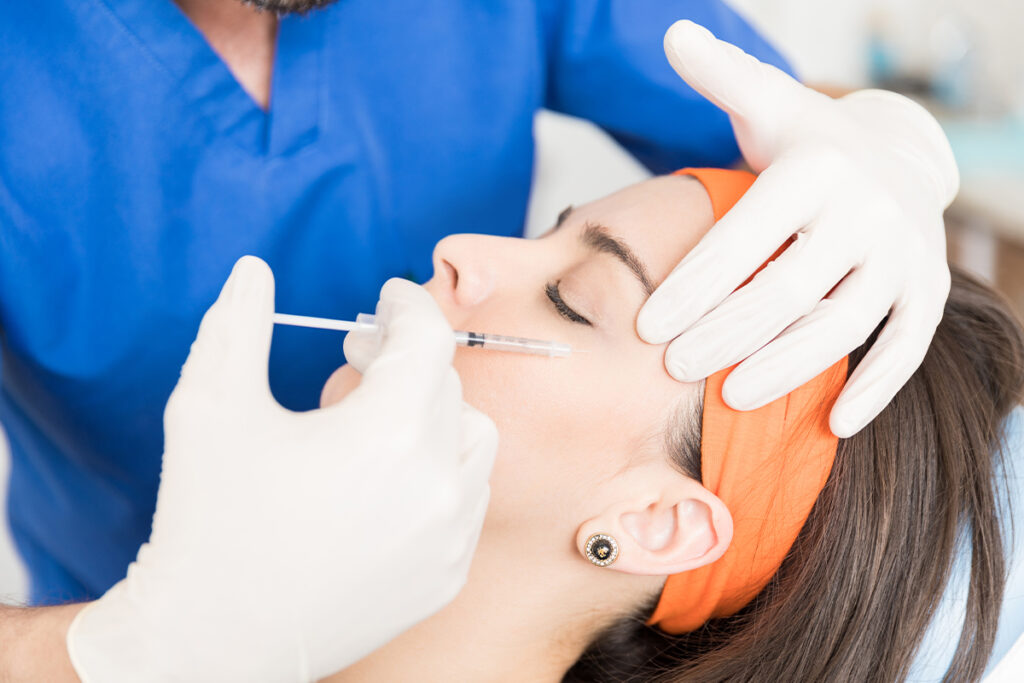
Excited to start a career as a cosmetic injector? Well, you need to firstly address the common question before moving ahead. Are you planning to learn Botox initially, or do you want to choose dermal fillers first? Undoubtedly, both skills are equally popular and in demand with affluent clients. You can build a profitable aesthetic practice with either training option. But Botox vs filler training differs, and the path you choose determines your certification prospects.
If you are a nurse, physician assistant, physician, or dentist exploring Botox and filler certification, this detailed information highlights what a new injector should learn first, and why. This blog also explains how well-planned training boosts your confidence from your first patient.
What is the significance of Botox and filler training?
You can’t learn everything at once, as many new injectors assume. In fact, a structured approach to advanced work builds a professional foundation. This also suggests that the risk of complications decreases when formal learning is done correctly.
Botox and filler training sessions are often planned together, but each focuses on separate learning objectives. Neuromodulator training includes lessons on muscle movement and steps to soften it. Fillers focus on learning how to add volume and shape with utmost accuracy. It helps to know which concepts to learn first to make the Botox and filler training smooth.
Basic Differences to focus on
Before you finalize which segment to choose from Botox vs Dermal Filler Training, the following differences of each treatment should be considered:
- Neuromodulators (such as Botox, Dysport, Daxxify, Xeomin, Jeuveau, and Letybo) help relax targeted muscles. Neuromodulators soften lines in the forehead, around the eyes, and in the brows.
- Dermal fillers (such as Restylane and Juvederm) are classified under hyaluronic acid products. Beyond restoring volume, dermal fillers reshape areas like the cheeks, lips, and nasolabial folds.
In short, Botox calms movement, while filler builds structure. A qualified cosmetic injector should understand facial anatomy, but their learning approach may differ.
Should New Injectors Learn Botox First?
For many beginners, selecting neuromodulators is the better choice. Let’s consider a few reasons to show how this hands-on training covers what a new injector should learn:
Botox treatment has well-defined areas. A new injector can expect to treat the forehead, glabella, and crow’s feet. This makes it easier to learn the right depth, dosage, and placement.
Neuromodulators are even more tolerant during the learning phase since the results take several days to appear, allowing you to evaluate your situation and make any necessary adjustments at your next appointment. Slow feedback is exactly what you want when you’re still getting used to a new routine and building your confidence.
In the end, gaining an understanding of Botox first enhances your knowledge of facial movements, since this understanding enables better filler work in the future due to your knowledge of how muscles and volume interact.
Why is filler training the next option to become a certified cosmetic injector?
After mastering neuromodulators, the next step is learning dermal fillers. Fillers demand greater artistic skill and precision because results are immediate and the margin for error is small. Safe filler injections require strong anatomical knowledge and hands-on practice with guidance from experienced practitioners. Theory alone isn’t enough; practical experience is essential to learn proper technique and tissue response. This is why training programs often teach fillers alongside Botox but focus more on supervised, hands-on repetition for injectables.
What a New Injector Should Learn First: The Beginner Course
No matter which treatment you choose initially, certain fundamentals come before any needle touches a patient. A quality program should teach you:
- Facial anatomy and how the face changes with age
- Safe injection depth and product placement
- Dosing principles for different treatment areas
- Complication awareness and how to respond
- Patient assessment and realistic goal setting
These basics protect both you and your patients. They also form the backbone of long-term success as an injector.
Significance of Hands-On, In-person Training
Online lessons teach theory, but you must learn practical injection skills through hands-on, supervised training. The American Academy of Cosmetic Medicine® (AACM™) emphasizes hands-on experience and provides one-on-one instruction because of its low student-to-instructor ratio.
The beginner course covers neuromodulator use in the forehead, glabella, and crow’s feet, as well as hyaluronic acid filler in the lips and cheeks, providing a well-balanced first experience in a supervised setting. The full course advances to topics like lip flips, platysmal bands, hyperhidrosis treatment, migraine injections, and advanced filler areas, following a step-by-step progression for new injectors.
Choosing the Right Botox and Filler Certification
Certification does more than add letters after your name. It signals safety, skill, and credibility to patients and employers.
AACM™ offers beginner, comprehensive, and online pathways. Registered nurses, nurse practitioners, physician assistants, physicians, and dentists are all eligible. After passing the written exams, graduates earn the FAACM® credential and may qualify for CME credits recognized by leading accreditation bodies.
Dr. Javad Sajan founded the academy and continues to teach advanced technique directly. Students also gain ongoing access to instructors for questions and guidance, which is valuable long after the course ends.
Botox vs Filler Training: Simple guide to boost cosmetic injector career prospects
If you are deciding between Botox vs filler training, the smartest approach is usually this. Build your foundation with neuromodulators first. Learn how muscles move and how to inject safely in predictable areas. Then move on to fillers, where artistry and anatomy come together.
The goal is not to rush. Align your skills in the right order so you become a confident, well-rounded injector.
Conclusion
Becoming a cosmetic injector starts with earning your RN or NP license, then building clinical skill and confidence through high-quality, hands-on aesthetic training to inject Botox safely and effectively. While nursing education may take two to four years or longer for NPs, cosmetic certification can often be completed in as little as one to two days, making aesthetics an accessible next step for licensed nurses ready to expand their careers. Ready to begin? Explore beginner, detailed, and online certification courses through the American Academy of Cosmetic Medicine® (AACM™) and take the next step toward your FAACM® credential.
Frequently Asked Questions
1. Is formal learning of Botox or fillers essential for new injectors?
Most new injectors should start with neuromodulators like Botox. Treatment zones are more predictable, results develop gradually, and you have more room to adjust at follow-up. This builds confidence and a strong anatomy foundation before moving on to the artistry of dermal fillers.
2. What determines eligibility for Botox and filler certification?
Botox and filler certification is typically open to licensed medical professionals. This includes registered nurses, nurse practitioners, physician assistants, physicians, and dentists. Eligibility varies by state, so confirm your scope of practice.
3. What are the basics a new injector must learn before touching a patient?
Before injecting, every new injector should master facial anatomy, safe injection depth, correct dosing, complication awareness, and patient assessment. These fundamentals protect both the patient and the injector and are the foundation of safe, natural-looking results.
4. What makes hands-on training important to pursue a career as a cosmetic injector?
Yes. Injecting is a physical skill you cannot fully learn online. Hands-on practice with real patients and direct instructor feedback helps you develop proper technique, pressure control, and confidence. A low student-to-instructor ratio makes this training far more effective.
5. Why should I choose AACM™ training as a new injector?
The American Academy of Cosmetic Medicine® (AACM™) offers hands-on, one-on-one training led by experienced physicians, including founder Dr. Javad Sajan. Students practice on real patients, follow a structured beginner-to-advanced path, and can earn the FAACM® credential with ongoing instructor support after the course ends.