
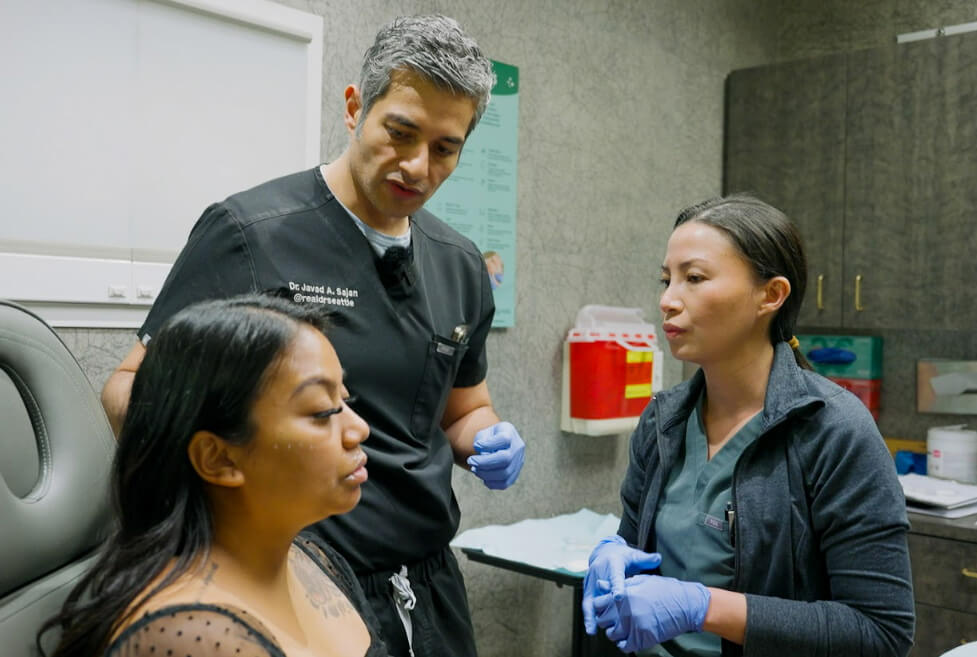
Finding the right online neuromodulator (Botox) certification isn’t just about adding a line to your CV, it’s about protecting patients, staying within the law, and building a career you can grow for years.
Botulinum toxin products carry an FDA boxed warning because of the risk of serious side effects if they’re misused. The CDC has also documented harms from injections with counterfeit products or injections done by people who weren’t following state requirements. All of that points to one thing: high‑quality training and credible certification matter.
Here’s a step‑by‑step way to find the best online neuromodulator certification for your career goals.
Step 1: Start With Your License and Scope of Practice
Before comparing courses, be clear on what you’re legally allowed to do in your state or province.
- Most neuromodulator courses are designed for licensed medical professionals (MD/DO, NP, PA, RN, dentist, etc.).
- State medical and nursing boards often spell out who can inject botulinum toxin, under what supervision, and with what protocols. For example, the Alabama Board of Medical Examiners publishes a specific protocol template for advanced practice providers who inject cosmetic botulinum toxin.
No online certificate can override your state’s scope‑of‑practice rules. The right program will respect those rules and make it clear who their training is for.
Step 2: Look for Alignment With Safety and Regulatory Standards
The U.S. Food and Drug Administration (FDA) regulates botulinum toxin products, not training programs, but their guidance tells you what must be understood by anyone injecting:
- FDA‑approved botulinum toxin products carry a warning about distant spread of toxin effect and potentially life‑threatening side effects like breathing or swallowing difficulties.
When you review an online neuromodulator certification, check that the curriculum:
- Uses FDA‑approved terminology and indications (no vague or off‑label promises in the marketing).
- Explicitly covers boxed warnings, contraindications, drug interactions, and adverse event reporting.
- Stresses the use of authentic, FDA‑approved products from verified supply chains, especially in light of recent FDA alerts about counterfeit Botox found in multiple states.
Programs that ignore or gloss over safety/regulatory content are not worth your time.
Step 3: Audit The Curriculum, Not Just The Marketing
A strong online neuromodulator certification should read like a mini‑fellowship in safe injectable practice, not a weekend crash course.
Look for detailed modules on:
- Anatomy & physiology of the face and neck relevant to neuromodulators
- Pharmacology of botulinum toxin products
- Patient selection and assessment, including red flags and contraindications
- Dosing strategies, dilution, and injection planning
- Complication prevention and management, including recognition of iatrogenic botulism and when to escalate care. The CDC has highlighted cases where botulinum toxin spread beyond the injection site, especially when products or providers weren’t compliant with regulations.
- Documentation, consent, and medico‑legal considerations
If the syllabus is only about how to inject and doesn’t address complications, safety protocols, and ethics, it’s not a comprehensive certification.
Step 4: Check Who Is Teaching
Instructor quality is one of the biggest predictors of how valuable a certification will be for your career.
Look for:
- Board‑certified physicians in relevant specialties (dermatology, plastic surgery, facial plastics, oculoplastics, or aesthetic medicine).
- Faculty who actively practice aesthetic medicine and supervise injectors.
- Clear bios, credentials, and professional memberships you can verify.
Independent publications in aesthetic medicine have argued that providers entering aesthetics need structured, tiered training led by experienced clinicians, not informal shadowing alone.
For online programs, also check the teaching format:
- Are there live webinars or Q&A sessions, or only pre‑recorded videos?
- Do you get case discussions, complication reviews, and feedback, or just slides to memorize?
The more interaction and real‑world context you get, the more that certification will actually change your practice.
Step 5: Make Sure Online Doesn’t Mean No Hands‑on Experience
Neuromodulator injections are procedures, not theory. Online education is powerful, but by itself it’s not enough to ensure safe injections.
The CDC specifically urges patients to seek injections from licensed providers trained in proper administration of FDA‑approved botulinum toxin and practicing in accordance with state and local requirements, not from untrained or self‑taught injectors. Recent reports even describe severe illness after self‑injection of cosmetic botulinum toxin purchased online.
So when you assess an online neuromodulator certification, ask:
- Does it include or strongly encourage in‑person, supervised practice (workshops, preceptorships, or clinical shadowing)?
- Will you be observed and assessed on actual injections before they grant certification?
- Is there a formal skills check or OSCE‑style exam, not just multiple‑choice questions?
The most credible online programs are really hybrid: didactic training online, followed by structured, supervised practice.
Step 6: Verify Authenticity and Recognition of the Certification
Certification is a broad word. In aesthetic medicine, it can mean:
- A course completion certificate
- An internal board certification within a professional academy
- A fellowship designation that signals you meet specific educational and exam standards (for example, FAACM® from the American Academy of Cosmetic Medicine®).
To judge authenticity and value:
- Confirm the organization’s legal identity, physical address, and contact information.
- Check if designations (like FAACM®) are trademarked and tied to defined standards.
- Look for a public or verifiable registry of certified graduates.
- See whether malpractice insurers and local colleagues recognize or respect that credential.
Step 7: Evaluate Long‑term Value of the Certification
A good online neuromodulator certification should help you grow over time, not just pass a one‑time test. Ask:
- Does the program include ongoing education, updated content, and access to new protocols?
- Is there a community of fellows or alumni where you can discuss complex cases and complications?
- Does the training align with your career goals? Whether that’s adding neuromodulators to an existing practice, building a full aesthetics practice, or moving into teaching?
Step 8: Watch For Red Flags
Finally, some warning signs that an online neuromodulator certification may not be credible:
- Claims that anyone (even unlicensed individuals) can inject after the course, directly contradicting CDC guidance and most state laws.
- Training that uses or promotes non‑approved or gray‑market toxin, despite repeated FDA warnings about counterfeit Botox and related products.
- No mention of complications, safety, or regulatory responsibilities.
- No clear information about instructors, curriculum, or assessment.
If it sounds too easy or too fast, it probably is.
Bringing It All Together & The Next Step to Explore
If you’re comparing options and want a structured path that leads to a defined fellowship credential, you can explore the Botox certification pathway with the American Academy of Cosmetic Medicine® (AACM™) by American Academy of Cosmetic Medicine®. Our program combines online learning, hands-on opportunities, and a competency exam leading to the FAACM® designation, with ongoing education and support for certified injectors.
Use the steps above as your checklist, and you’ll be well positioned to choose an online neuromodulator certification that protects your patients, fits your legal scope, and genuinely advances your career. To get more details about the course, you can call us at 425 (864) – 3777 or write to us via info@cosmeticinjectors.org.