
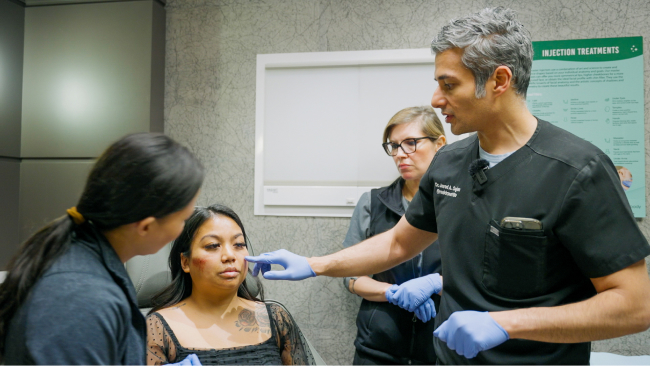
Building Your Aesthetic Injector Business from Home: Online Training to Side Hustle
The aesthetics industry has grown rapidly over the last decade, and so has the number of practitioners entering it. With the rise of online training, digital certification platforms, and home-based or mobile service models, many licensed practitioners are exploring injectable aesthetics as a side hustle or a stepping stone toward their own practice.
For nurses, physician associates, and other medical practitioners with an entrepreneurial mindset, building an aesthetic injector business from home can be an appealing option. It offers low overhead, flexible scheduling, and the opportunity to work with clients in a more personal, boutique environment. But success requires far more than simply completing a course. It involves proper training, regulatory understanding, business structure, and a realistic view of what the home-based aesthetic model entails.
This guide breaks down the essential components of starting an aesthetic injector side business from home.
Why Medical Practitioners Are Choosing Aesthetics as a Side Hustle
The aesthetics industry attracts practitioners from a wide range of specialties. Some reasons practitioners explore it as a part-time venture include:
Low Startup Costs
A home-based or mobile model eliminates the expense of renting a clinical suite full time. Essential supplies, insurance, and training represent the main early investments.
Flexible Hours
Injectors can schedule evenings or weekends around full-time clinical work. Clients often appreciate extended availability as well.
Increasing Consumer Demand
Treatments like dermal fillers and neuromodulators continue to grow in popularity across all age groups, creating consistent demand for qualified injectors.
Scalable Career Path
Many injectors begin part-time, later transitioning to a full practice when clientele and revenue grow.
The combination of autonomy, creativity, and relationship-building is particularly appealing to those seeking more control over their careers.
Step 1: Complete Proper Online Training and Certification
Online training has made entering the aesthetic space more accessible, but not all courses are created equal. Choosing a reputable program ensures you gain foundational knowledge before pursuing hands-on experience.
Look for an Online Program That Covers:
- Facial anatomy and injectable safety
- Neuromodulator and dermal filler fundamentals
- Assessment and treatment planning
- Injection techniques and risk avoidance
- Complication recognition and management
- Real case demonstrations
- Legal and regulatory considerations
Online courses allow new injectors to learn at their own pace, rewatch content, and build confidence before working with real patients.
While online education provides the theoretical foundation, hands-on practice remains essential. Some injectors seek in-person mentorship or shadowing opportunities once they complete the academic portion. Online and in-clinic training together create the most well-rounded educational pathway.
Step 2: Know the Legal and Regulatory Requirements
Aesthetic injecting is regulated differently across states and countries. Before offering services, even from home, you must understand:
1. Scope of Practice
Rules vary for nurses, NPs, PAs, dentists, and physicians. Some must work under medical direction; others can practice independently.
2. Medical Oversight
Some regions require an overseeing medical director who can prescribe neuromodulators or dermal fillers.
3. Location Regulations
In many states:
- Home-based treatments must occur in a designated, sanitized, private treatment space.
- Some procedures may need to be performed in a registered clinical environment.
- Mobile services may have guidelines surrounding transportation and storage of medical products.
4. Documentation and Charting Requirements
Maintaining accurate and secure patient records is mandatory, even for a side business.
5. Insurance & Liability Protection
Professional liability insurance is essential. Home-based injectors must declare their business model to ensure proper coverage.
Understanding these guidelines protects both the injector and the client. It would be helpful to consult legal practitioners or industry consultants before launching your business.
Step 3: Set Up a Home Treatment Space
A home-based aesthetic studio must feel professional, clean, and compliant with safety expectations.
Key Elements Include:
- A dedicated treatment room; never a shared living space
- Proper surface sanitization supplies
- Sharps containers and medical waste disposal systems
- Adequate lighting for precision injecting
- A reclining chair or treatment bed
- Locked storage for products
- Emergency supplies required for managing complications
The environment should reflect the standards of a traditional clinic. Clients are more likely to trust and return to an injector who maintains a professional setup.
Step 4: Build Your Business Foundations
Even if your injector business begins as a side hustle, it operates as a real business. Core elements include:
1. Register Your Business
Choose a business name, form an LLC or alternative structure as required, and secure proper licenses.
2. Create Clear Policies
Include:
- Cancellations
- Deposits
- Consent forms
- Pre- and post-treatment instructions
3. Obtain Necessary Supplies
Beyond syringes and medications, you’ll need:
- Gloves and PPE
- Skin prep products
- Documentation tools
- Photography lighting for before/after images
4. Implement Electronic Charting and Scheduling
Digital systems streamline:
- Appointments
- Charting
- Reminder notifications
- Payment processing
Early organization prevents issues as your client base grows.
Step 5: Build a Brand That Stands Out
Aesthetics is both clinical and aesthetic. Your personal brand matters.
Branding Elements That Matter:
- Professional headshots
- A simple, clean website
- Social media presence with educational content
- A clear visual identity (colors, fonts, tone)
Clients often choose injectors based on referrals and online impressions. Maintaining consistent branding helps your business appear trustworthy and established, even in its early stages.
Step 6: Grow Your Client Base Through Trust and Education
Clients want injectors who prioritize safety, communicate clearly, and demonstrate knowledge.
Strategies That May Work:
- Word-of-mouth referrals through friends, colleagues, and existing clients
- Educational posts about neuromodulators, dermal fillers, anatomy, and safety
- Transparent pricing and service explanations
- Offering consultations, including virtual options
- Sharing your training background and commitment to safe practice
Step 7: Keep Learning and Improving
Aesthetic medicine evolves quickly. Even after becoming a competent injector, ongoing education is essential.
Consider:
- Additional anatomy courses
- Advanced injection workshops
- Complications training
- Business and marketing courses
- Peer support groups and professional communities
Online communities and training platforms allow injectors to stay connected, ask questions, and continue developing skills.
Turning Training Into a Sustainable Side Business
A home-based or part-time aesthetic injector business may grow when the focus is on safety, education, and professionalism. Many injectors begin with:
- One treatment chair in a spare room
- A basic starter kit
- A few initial clients
- A commitment to continuous learning
As the business grows, injectors may expand into:
- Renting a small studio
- Partnering with a medical spa
- Offering mobile concierge services
- Creating educational content or hosting workshops
Flexibility is one of the greatest strengths of the aesthetic field.
Shaping Your Future as an Aesthetic Injector
For many new injectors, a comprehensive education is the first step. The American Academy of Cosmetic Medicine® (AACM™) provides a structured pathway that begins with foundational online courses and is followed by hands-on training sessions. This blended approach can help you build both knowledge and confidence. You can find additional details at AACM™ or call us at (425) 864-3777 to learn more.