


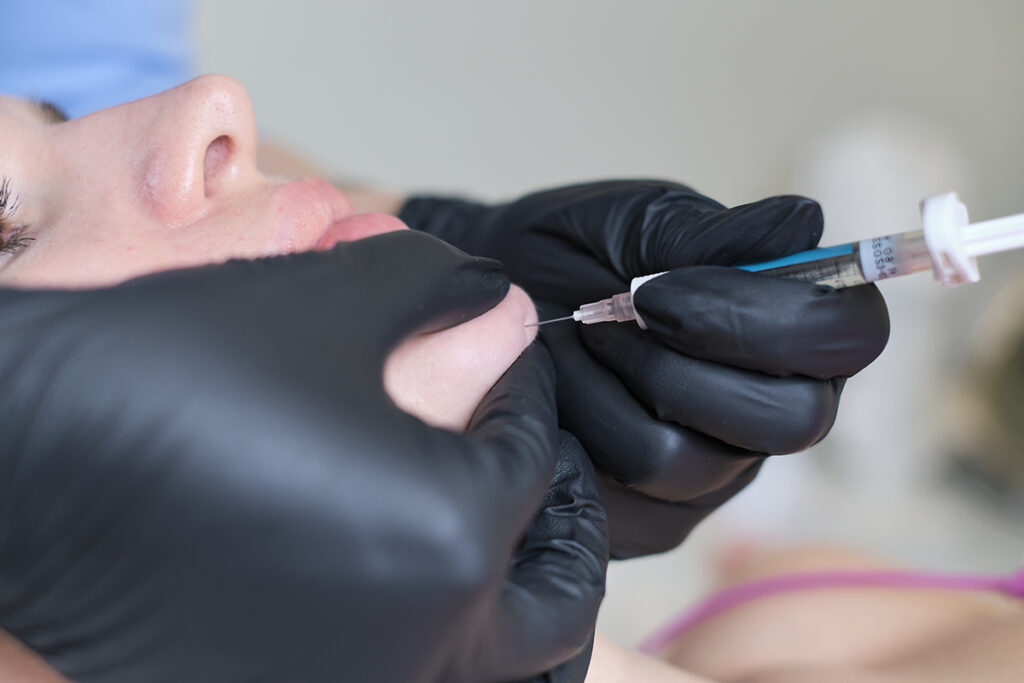
Beginning a career in aesthetic medicine is exciting, but new injectors often need a clear way to demonstrate their skills, education, and hands-on experience. A professional cosmetic injector portfolio helps you present your background in one organized place. Your portfolio can support job applications, help you track professional growth, and give prospective patients a better understanding of your qualifications. It should be honest, current, and focused on your training, documented work, and ongoing education.
For new injectors, the goal isn’t to have hundreds of patient cases right away. The goal is to build a clear record of your qualifications and grow it as you gain experience.
Why Every New Cosmetic Injector Needs a Professional Portfolio
A cosmetic injector portfolio gives employers and patients a structured view of your professional background. It can show where you trained, which procedures you have performed, and how you keep developing your skills.
Patients are trusting an injector with an important treatment decision. They may want to understand your credentials, treatment experience, and approach to patient care. Employers may also use your portfolio to assess whether your education and hands-on experience align with the position.
A strong cosmetic injector professional profile can include your qualifications, training certificates, clinical experience, case records, and approved treatment photos. Together, these elements create a professional story that is easier to understand than a résumé alone.
Your portfolio also serves as a useful record of your progress. As you complete further education, gain supervised experience, and develop new skills, you can update it to reflect where you are in your career.
What to Include in Your Cosmetic Injector Portfolio
It’s easier to understand what to include in an aesthetic injector portfolio when you organize it into sections. A clear portfolio should include evidence of education, practical training, treatment documentation, and continued professional development.
Training Certificates and Professional Credentials
Start with your professional license and relevant education. The American Academy of Cosmetic Medicine® provides training for eligible Registered Nurses, Nurse Practitioners, Physician Assistants, physicians, dentists, and other qualified medical providers.
Include copies or clear summaries of your training certificates. If you completed a beginner, comprehensive, or online program through AACM™, include the course completion certificate in your portfolio.
Students who pass the required written examinations can receive AACM™ certification and use the FAACM®™ title with their name and practice. This is a valuable credential to include because it shows that you completed the required certification process.
You can also link your portfolio or professional profile to AACM™ cosmetic injector training courses so employers and patients can understand the scope of your education.
Clinical Experience and Supervised Practice
Clinical experience is a key part of every aesthetic injector portfolio for beginners. Describe the procedures, treatment areas, and techniques you have trained in. Keep your descriptions factual and specific.
AACM™ beginner training includes hands-on neuromodulator education in areas such as the forehead, glabella, and crow’s feet. Students also receive hands-on filler training in areas including the lips and cheeks. The course covers the fundamentals of facial anatomy and aging as they relate to neuromodulators and fillers.
The comprehensive course also includes training in hyperhidrosis, lip flips, platysmal bands, migraine treatment, nasolabial folds, temples, and under-eye areas. It also includes live training in harvesting, centrifuging, and injecting plasma.
Include supervised clinical training and shadowing in this section. AACM™ students receive a live shadow day, which can be listed as part of your professional experience.
Before-and-After Treatment Photos
Approved cosmetic injection before and after photos are among the most useful visual sections of a portfolio. They document treatment outcomes and let you show your developing skills over time.
Use clear, consistent photos. Keep the lighting, patient positioning, facial expression, and camera angle as similar as possible in each before-and-after set. Inconsistent images make it difficult to accurately assess treatment results.
Start your photo collection during training and expand it as you gain experience. AACM™ features neuromodulator and lip filler before-and-after photos from instructors and students, demonstrating the value of treatment documentation.
Include images only when you have obtained proper written patient consent. Never share patient photos without permission.
Case Studies and Treatment Documentation
Photos are important, but they should be supported by concise case documentation. Case studies explain the patient’s treatment goals and the professional thinking behind the plan.
For each approved case, consider documenting:
- The patient’s treatment concern or goal.
- The treatment areas.
- The product category used.
- The treatment outcome.
- Any relevant follow-up information.
This section helps demonstrate your understanding of facial anatomy, neuromodulators, fillers, and individualized treatment planning. It also makes your cosmetic injector portfolio more informative than an image gallery alone.
Skills, Specialties, and Continuing Education
List the skills you have completed training for, rather than listing every treatment you hope to offer in the future. Accuracy builds trust.
Your skills section may include beginner neuromodulator and filler techniques, facial anatomy education, lip filler training, and other procedures covered in your course. Comprehensive AACM™ training also covers advanced areas and treatments, including hyperhidrosis, lip flips, platysmal bands, migraine treatment, plasma injections, and advanced filler areas.
AACM™ courses are eligible for 8.5 CME credits recognized by the AMA, ACCME, ACPE, ANCC, and ADA. Add completed continuing education to show that you remain engaged in professional learning.
You may also include AACM™ online course training as part of your ongoing education record.
How to Build a Portfolio When You’re Just Starting Out
If you are new to aesthetics, start with the experience you already have. Include your professional license, course completion certificate, supervised training, shadow day, and documented hands-on practice in your portfolio.
This is a practical answer for building a cosmetic injector portfolio when you don’t yet have many independent cases. Begin with your education, then add cases and photos gradually as you gain experience.
Keep organized records from the start. Create folders for certificates, consent forms, treatment documentation, before-and-after photos, and CME credits. This will make updates simpler later.
AACM™ also offers a certification pathway for experienced injectors. The process includes a written examination and submission of photos from three or more completed injectable treatments. Those who meet the requirements can use FAACM®™ after their name.
Photography, Patient Consent, and Privacy Best Practices
Patient privacy should always be a priority. Obtain written consent before taking, storing, or sharing patient images. Explain how you may use the photos, and keep the consent documentation with the patient record.
Use a secure system to store patient information and images. Avoid including identifying details in portfolio case studies unless the patient has specifically agreed to them.
Consistent photography supports a more reliable portfolio. Use the same setting, lighting, distance, and angle whenever possible. Clear documentation protects patients and supports a high-quality professional presentation.
Common Cosmetic Injector Portfolio Mistakes to Avoid
The following common portfolio mistakes should be avoided while building a cosmetic Injector portfolio:
- Leaving out credentials: Make your license, training, and certifications easy to find.
- Using poor-quality photos: Blurry or inconsistent images may not accurately show your work.
- Skipping patient consent: Never use images without appropriate written permission.
- Overstating experience: Only list procedures and skills you have completed training for.
- Failing to update your portfolio: An outdated portfolio may not represent your current abilities.
How to Keep Your Portfolio Updated as You Gain Experience
Your portfolio should change as your career develops. Add new certifications, CME credits, treatment cases, and approved before-and-after photos regularly.
As you progress from beginner education to comprehensive or online learning, update your skills section. This helps ensure your portfolio accurately reflects your experience.
Ongoing cosmetic injector mentorship can also support professional growth. AACM™ provides students with access to guidance and support for questions. Explore the AACM™ certification program and training options as you continue building your portfolio.
Frequently Asked Questions
What is a cosmetic injector portfolio?
A cosmetic injector portfolio documents your credentials, training, supervised experience, treatment cases, and approved before-and-after photos.
Do beginners need an aesthetic injector portfolio?
Yes. An aesthetic injector portfolio for beginners can include certificates, shadowing, hands-on training, and professionally documented learning experiences.
How many before-and-after photos should I include?
Include clear, consistent photos that show documented treatment results across the procedures you are trained to perform.
Should I include my professional license?
Yes. Including your license helps demonstrate your medical qualifications and supports the credibility of your cosmetic injector professional profile.
How often should I update my portfolio?
Update your portfolio after you complete new training, earn certifications, earn CME credits, gain supervised experience, and have approved treatment cases.
What does AACM™ provide for new injectors building a portfolio?
The American Academy of Cosmetic Medicine® provides hands-on training, certification eligibility, shadowing, online education, and ongoing professional guidance.