
Table of Contents
- What Remote Neuromodulator Certification Actually Covers
- Core Training Modules
- Practical Skill Development
- Selecting Credible Online Aesthetic Training
- Required Program Credentials
- Warning Signs of Inadequate Training
- Technology Requirements for Virtual Learning
- Equipment Checklist
- Learning Platform Capabilities
- State Regulations for Cosmetic Injections
- Who Can Perform Injections
- Documentation Requirements
- Building Injection Skills Through Hybrid Learning
- Structured Learning Sequence
- Value of Ongoing Mentorship
- Common Mistakes New Aesthetic Injectors Make
- Racing Through Training Content
- Accepting Complex Cases Too Early
- Conducting Inadequate Patient Consultations
- Poor Response to Complications
- Neglecting Fundamental Injection Technique
- Marketing Aesthetic Services in Smaller Markets
- Building Local Credibility
- Pricing Strategy Considerations
- Continuing Education After Initial Certification
- Staying Current
- Advanced Procedure Training
- Launch Your Aesthetic Practice With Accessible Training
- What Your Certification Includes
- Available to Medical Professionals Nationwide and Internationally
- Frequently Asked Questions
Practitioners in smaller cities and rural areas struggle to access quality neuromodulator (BOTOX) and filler training. Most certification programs operate exclusively in major metropolitan hubs like New York, Los Angeles, and Miami. Getting there means coordinating travel, finding accommodations, and closing your practice for multiple days. The financial burden extends beyond course fees to include lost patient revenue during your absence.
This accessibility gap keeps qualified medical professionals from expanding their services while patient demand for cosmetic injections grows nationwide. People in every community want access to aesthetic treatments, but local providers lack the training to meet that demand.
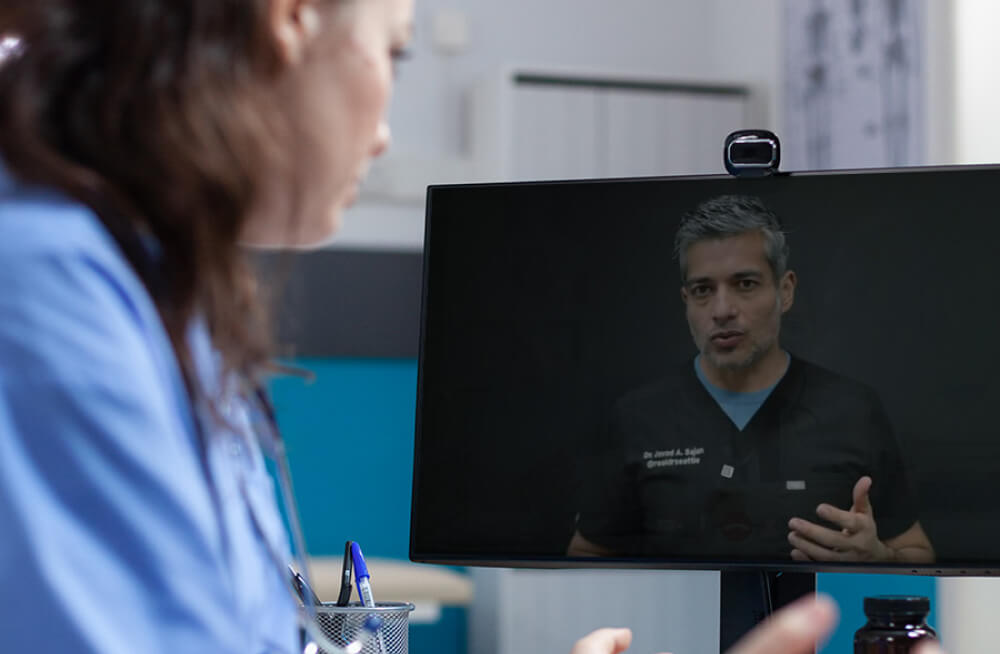
Online neuromodulator certification changes this dynamic. Remote practitioners can now complete training in BOTOX, Dysport, Daxxify, Xeomin, Jeuveau, and Letybo without the geographic and financial barriers of traditional programs. Quality virtual courses deliver the same rigorous education through a format that fits working professionals.
What Remote Neuromodulator Certification Actually Covers
Medical aesthetic training requires more than watching demonstration videos. Legitimate programs combine virtual education with practical skill development.
Core Training Modules
Accredited online neuromodulator (BOTOX) and filler courses teach:
Facial Anatomy and Physiology – Practitioners study muscle groups, vascular pathways, and nerve locations critical to injection safety. Training identifies danger zones where improper technique causes serious complications.
Product Knowledge – Courses explain how neuromodulators work, including BOTOX, Dysport, Daxxify, Xeomin, Jeuveau, and Letybo, along with the properties of different dermal fillers (hyaluronic acid varieties, calcium hydroxylapatite, poly-L-lactic acid). Practitioners learn which products suit specific treatment areas and patient goals.
Injection Techniques – Training demonstrates correct needle angles, injection depths, and dosing for each facial area. Coverage includes forehead lines, crow’s feet, bunny lines, gummy smile correction, masseter reduction, lip enhancement, nasolabial folds, and marionette lines.
Patient Assessment – Programs teach consultation protocols, how to screen for contraindications, and methods for setting realistic treatment expectations. Practitioners learn to identify unsuitable candidates.
Complication Management – Courses dedicate extensive time to preventing and treating adverse events like bruising, asymmetry, eyelid drooping, vascular occlusion, and allergic reactions.
Practical Skill Development
Remote certification can’t happen entirely online. Reputable programs arrange hands-on training through:
Regional Training Sessions – Weekend workshops in accessible cities where practitioners complete supervised injections on live models.
Mobile Training Units – Some organizations send instructors to areas with multiple enrollees, bringing training to underserved markets.
Clinical Partnerships – Training providers partner with established medical spas where new injectors complete required procedures under supervision.
Virtual Proctoring – After initial hands-on training, instructors watch via video as practitioners perform their first patient treatments and provide real-time guidance.
Most programs require 15-25 supervised injections before granting independent practice certification.
Selecting Credible Online Aesthetic Training
The cosmetic injector training market includes both excellent programs and questionable operations targeting practitioners eager to add revenue streams.
Required Program Credentials
Check that any online neuromodulator (BOTOX) certification meets these standards:
Accreditation – Programs should carry approval from recognized medical boards or professional organizations. Ask which specific accrediting bodies reviewed the curriculum.
CME Credits – Legitimate courses provide continuing medical education credits that state licensing boards accept.
Insurance Recognition – Malpractice insurance carriers must accept the certification. Contact your insurance provider before enrolling to confirm they will cover you.
Manufacturer Acceptance – Major aesthetic product companies (Allergan, Galderma, Merz, Revance) maintain approved trainer lists. Certification from non-approved programs may prevent you from purchasing products directly from manufacturers.
Instructor Qualifications – Faculty should include board-certified physicians with extensive injection experience, not recent graduates or non-medical instructors.
Warning Signs of Inadequate Training
Avoid programs showing these red flags:
Unrealistic Time Commitments – Any course promising full certification in under 16 hours lacks sufficient depth. Quality training requires minimum 30-40 hours.
No Hands-On Component – Pure online courses without practical assessment don’t prepare practitioners for actual patient care.
Business Guarantees – Programs promising immediate patient volume or turnkey business models often disappoint.
Minimal Complication Coverage – Training that glosses over adverse event management leaves practitioners unprepared for inevitable complications.
No Prerequisites – Programs accepting enrollees without verifying medical licenses or scope of practice likely cut other corners too.
Research from aesthetic training institutions shows new injectors who skip adequate hands-on training experience substantially higher complication rates during their first year of practice.
Technology Requirements for Virtual Learning
Online neuromodulator (BOTOX) training demands reliable equipment and internet connectivity.
Equipment Checklist
Practitioners need:
- High-speed internet (minimum 25 Mbps download speed)
- Computer or tablet with current operating system
- HD webcam for interactive sessions
- Quality microphone and speakers or headset
- PDF reader for course materials
- Note-taking application or software
Learning Platform Capabilities
Modern aesthetic training programs use learning management systems that track progress through required modules. These platforms typically offer:
- Video lectures with pause and replay functions
- 3D anatomy viewers for detailed study
- Interactive quizzes with instant feedback
- Live Q&A sessions with instructors
- Digital libraries of injection protocols
- Progress tracking and completion certificates
Most programs let practitioners complete coursework at their own pace within a set timeframe, usually 90 days.
State Regulations for Cosmetic Injections
Injection privileges vary dramatically by state and practitioner type.
Who Can Perform Injections
Physicians – MDs and DOs can perform cosmetic injections in all 50 states without additional restrictions beyond proper training.
Nurse Practitioners and Physician Assistants – Most states allow NPs and PAs to inject independently or under collaborative agreements. Some states mandate direct physician supervision.
Registered Nurses – RN injection privileges range from independent practice (rare) to requiring direct physician oversight (common). Several states prohibit RN injections entirely.
Dentists – Licensed dentists can inject Botox and fillers within the oral and maxillofacial region in most states, though definitions of this region vary.
Other Practitioners – Some states allow additional healthcare providers (like optometrists for periorbital injections) under specific conditions.
Documentation Requirements
State medical boards may audit training credentials during license renewals or complaint investigations. Maintain:
- Original certification documents
- CME credit records
- Proof of hands-on training completion
- Continuing education course certificates
- Manufacturer training records
- Malpractice insurance declarations
Check your state medical board website for specific requirements, as regulations change regularly.
Building Injection Skills Through Hybrid Learning
The most effective online neuromodulator (BOTOX) certification programs blend virtual and in-person elements.
Structured Learning Sequence
Quality hybrid programs follow this path:
Phase 1: Online Theory (2-4 weeks) – Practitioners complete self-paced modules covering anatomy, products, and techniques. Interactive quizzes ensure comprehension before advancing.
Phase 2: Live Virtual Sessions (1-2 weeks) – Instructors host real-time demonstrations, answer questions, and review case studies with enrolled practitioners.
Phase 3: Hands-On Training (1-2 days) – Practitioners travel to regional locations for supervised injections on live models. This phase cannot be skipped or simulated.
Phase 4: Mentorship Period (4-8 weeks) – After initial patients, practitioners submit photos and treatment notes for instructor review. Virtual office hours provide ongoing support.
Phase 5: Advanced Techniques (ongoing) – Continuing education modules teach more complex procedures as practitioners gain confidence.
Value of Ongoing Mentorship
Continued support distinguishes excellent programs from basic certification mills. Look for:
- Scheduled virtual office hours with instructors
- Case review submissions with detailed feedback
- Private online communities for peer discussion
- Emergency consultation availability for complications
- Annual refresher courses and technique updates
New injectors need guidance beyond initial certification. Programs offering 6-12 months of included mentorship provide better preparation for independent practice.
Common Mistakes New Aesthetic Injectors Make
Learning from typical pitfalls helps practitioners avoid complications and poor outcomes.
Racing Through Training Content
New injectors often speed through online modules to start treating patients quickly. This approach backfires when practitioners lack mastery of:
- Precise injection depths for each facial area
- Proper reconstitution ratios for neurotoxins
- Anatomical danger zones and vascular pathways
- Appropriate dosing for different face shapes and muscle strengths
Take full advantage of self-paced learning by spending extra time on complex topics.
Accepting Complex Cases Too Early
Beginning injectors should build skills gradually:
Start with straightforward treatments:
- Glabellar lines (frown lines)
- Lateral canthal lines (crow’s feet)
- Horizontal forehead lines
- Basic lip enhancement
Delay advanced procedures until gaining experience:
- Liquid rhinoplasty
- Jawline contouring
- Tear trough correction
- Advanced lip techniques
Practitioners who tackle complex cases before developing fundamental skills create unhappy patients and damage their reputations.
Conducting Inadequate Patient Consultations
Thorough consultations prevent most patient dissatisfaction. New injectors often skip:
- Detailed medical history including all medications and supplements
- Discussion of realistic outcomes versus patient expectations
- Photo documentation from multiple angles
- Written consent forms explaining risks and alternatives
- Post-treatment care instructions
Rushing consultations to fit more appointments into schedules leads to miscommunication and complications.
Poor Response to Complications
Even experienced injectors encounter complications occasionally. New practitioners make mistakes when adverse events occur:
- Dismissing patient concerns instead of evaluating immediately
- Lacking necessary emergency supplies (hyaluronidase, epinephrine)
- Failing to recognize vascular occlusion warning signs
- Attempting to correct complications beyond their skill level
- Not documenting adverse events and responses
Quality online Botox training programs dedicate substantial curriculum time to complication prevention and management.
Neglecting Fundamental Injection Technique
Basic technique errors cause most aesthetic complications:
- Injecting too deeply or superficially
- Using excessive volume per injection site
- Poor needle angle creating uneven distribution
- Injecting too close to vascular structures
- Inadequate aspiration before filler injection
These mistakes happen when practitioners rush through hands-on training or complete insufficient supervised injections before independent work.
Marketing Aesthetic Services in Smaller Markets
Remote practitioners face different marketing dynamics than urban medical spas.
Building Local Credibility
Smaller communities require relationship-based marketing:
Educational Events – Host free seminars at local venues explaining cosmetic injection options, safety, and realistic results. Position yourself as the local expert.
Professional Networking – Connect with dermatologists, plastic surgeons, and primary care physicians who may refer patients seeking non-surgical options.
Digital Presence – Maintain active social media showing before-and-after results (with patient permission), educational content, and special promotions.
Community Involvement – Sponsor local events, join business organizations, and participate in charity initiatives to build name recognition.
Pricing Strategy Considerations
Urban medical spas often charge rates that don’t fit smaller market economics. Consider:
Competitive Research – Study what other aesthetic providers in your region charge for similar services.
Package Options – Bundle multiple services together to encourage patients to try different treatments.
Loyalty Programs – Reward repeat patients with points or special member benefits to build retention.
Seasonal Offers – Run limited-time promotions during traditionally slower periods to maintain steady patient flow.
Balance competitive positioning with business sustainability when setting your service rates.
Continuing Education After Initial Certification
The aesthetic medicine field evolves constantly with new products, techniques, and safety guidelines.
Staying Current
Maintain relevant skills through:
Manufacturer Training – Allergan, Galderma, Merz, and other companies offer advanced courses on their products, often at no charge to certified injectors.
Annual Conferences – Industry events like the American Academy of Cosmetic Medicine® annual meeting provide concentrated learning and networking opportunities.
Online Webinars – Regular virtual sessions cover new techniques, challenging cases, and emerging trends without travel requirements.
Peer Learning Groups – Join or form groups of local injectors who meet regularly to discuss cases, review techniques, and support each other’s growth.
Advanced Certifications – Pursue specialized training in niche procedures as your practice expands.
Advanced Procedure Training
After mastering basic Botox and filler techniques, practitioners can expand their service menu:
Liquid Rhinoplasty – Non-surgical nose reshaping using strategic filler placement requires advanced understanding of nasal anatomy and blood supply.
Thread Lifts – PDO thread insertion for facial lifting demands precise technique and appropriate patient selection.
Combination Treatments – Protocols mixing neurotoxins, fillers, and energy-based devices for facial rejuvenation.
Hyperdilute Techniques – Specialized dilution protocols for treating skin quality, neck lines, and areas requiring subtle results.
Each advanced procedure requires dedicated training beyond initial certification.
Launch Your Aesthetic Practice With Accessible Training
The American Academy of Cosmetic Medicine® offers accredited online neuromodulator (BOTOX) and filler certification designed for remote practitioners who refuse to compromise on quality. The program delivers a rigorous curriculum through self-paced online modules combined with hands-on clinical training. Board-certified instructors with years of clinical experience provide personalized instruction and ongoing support.
Get started today with online neuromodulator and filler certification for just $299 plus applicable taxes. You receive 180 days to complete the course at your own pace, allowing you to maintain your current practice schedule while building new skills.
What Your Certification Includes
Board Certification and Professional Credentials – Upon completion, you receive Board Certification and gain the exclusive right to use the FAACM® designation, a federally registered trademark legally protected and reserved for certified graduates of the American Academy of Cosmetic Medicine®. Display your credentials as Your Name, RN, FAACM® or Your Name, NP, FAACM®.
Free Clinical Shadowing – The program includes three days of free clinical shadowing where you observe experienced injectors working with real patients. This hands-on exposure bridges the gap between theory and practice.
Year-Round Expert Access – Get 24/7 access to expert injectors and AACM™ instructors for discussing difficult cases, complications, and clinical care questions. You receive a direct phone number and email for year-round support whenever you need guidance.
Exclusive Education Content – Access all new and existing exclusive education content produced by AACM™, including written materials, instructional videos, and live training events. This library continues expanding, keeping you current with the latest techniques and products.
Practice Growth Resources – Gain valuable knowledge on how to start or grow a cosmetic medical practice, including marketing strategies, pricing structures, and patient acquisition methods tailored to your local market.
Personal Mentorship Sessions – Receive an exclusive one-hour meeting with Dr. Sajan and Dr. Khezri, which can be divided into four 15-minute sessions. Use this time to discuss your specific practice goals, challenging cases, or business development questions.
Professional Recognition – Build respect and credibility among peers and patients with your Board Certification. You may qualify for a press release announcing your certification, helping establish your expertise in your community.
Available to Medical Professionals Nationwide and Internationally
The American Academy of Cosmetic Medicine® welcomes US and international medical professionals, including registered nurses, nurse practitioners, physician assistants, physicians, and dentists. The program meets insurance carrier requirements, state board standards, and manufacturer approval criteria for direct product purchasing.
Contact the American Academy of Cosmetic Medicine® now to enroll in the next certification cohort and transform your practice with in-demand aesthetic services. Your community needs qualified injectors, and you can meet that demand without leaving your area or disrupting your current practice. Start your journey to becoming a Certified Aesthetic Injector today.
Frequently Asked Questions
How long does online neuromodulator (BOTOX) certification take to complete?
Quality online neuromodulator and filler certification programs require 16-40 hours of coursework spread over 2-8 weeks. This includes online modules, live virtual sessions, and hands-on training days. Programs completed in under two weeks lack sufficient depth.
Can nurses get neuromodulator (BOTOX) certified online?
Yes, registered nurses, nurse practitioners, and physician assistants can complete online neuromodulator certification if the program meets their state requirements and includes hands-on training. Check state regulations first, as some states restrict RN injection privileges or require physician supervision.
Is online neuromodulator (BOTOX) training as effective as in-person courses?
When structured properly with hands-on components and mentorship, online neuromodulator training produces equivalent outcomes to traditional in-person courses. The key is ensuring adequate supervised injections, not just video lectures.
Do I need malpractice insurance for cosmetic injections?
Yes, practitioners must carry malpractice insurance specifically covering aesthetic procedures. Standard medical malpractice policies often exclude cosmetic treatments. Insurance carriers require proof of proper training and certification before providing coverage.
How many supervised injections are required for certification?
Most reputable programs require 15-25 supervised injections total, typically 10-15 for neuromodulators and 10-15 for dermal fillers. State regulations and program standards determine exact requirements. Programs requiring fewer than 10 supervised injections provide inadequate preparation.
What equipment do I need to start offering neuromodulators (BOTOX, Dysport, Daxxify, Xeomin, Jeuveau, Letybo) and fillers?
You need injection supplies (syringes, needles), products (purchased from manufacturers after certification), emergency supplies (hyaluronidase, epinephrine), consent forms, photography equipment for documentation, and a private treatment space meeting health department requirements.